Diversity
Explore a broad repertoire of phage-derived proteins, including endolysins, depolymerases and virion-associated lysins.
Synthetic phage-based tools
Integrating biological data, machine learning, genome mining and experimental validation to explore and prioritize phage-derived antibacterial candidates.
The challenge
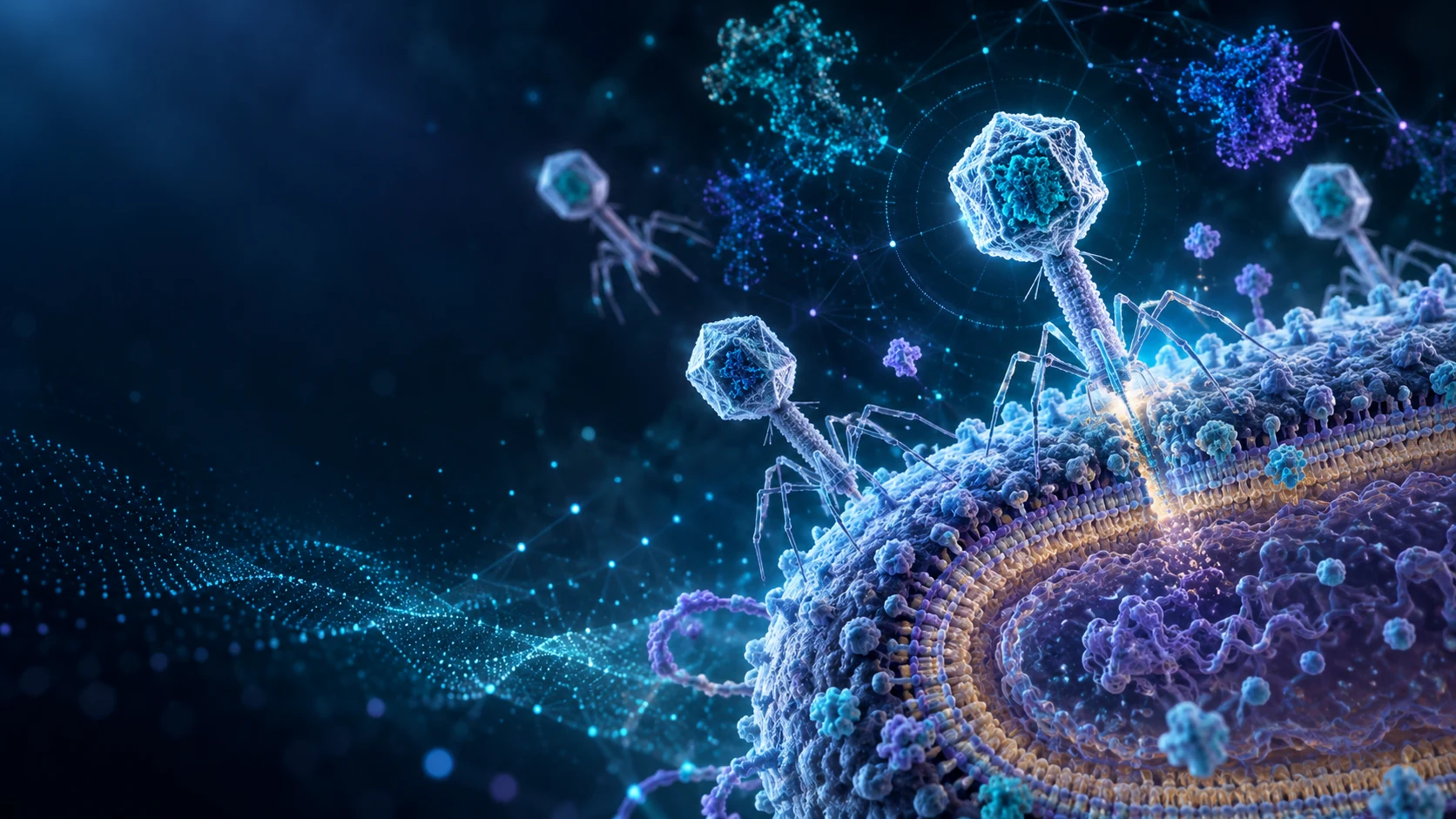
Phage-derived proteins occupy a large and heterogeneous functional space. PhageLys combines evidence-aware data, computational prioritization and experimental work to make candidate selection more systematic and traceable.
Explore a broad repertoire of phage-derived proteins, including endolysins, depolymerases and virion-associated lysins.
Keep functional annotations and evidence levels visible when integrating and comparing candidate proteins.
Use computation to reduce the search space while keeping experimental validation as the test of biological activity.
Project architecture
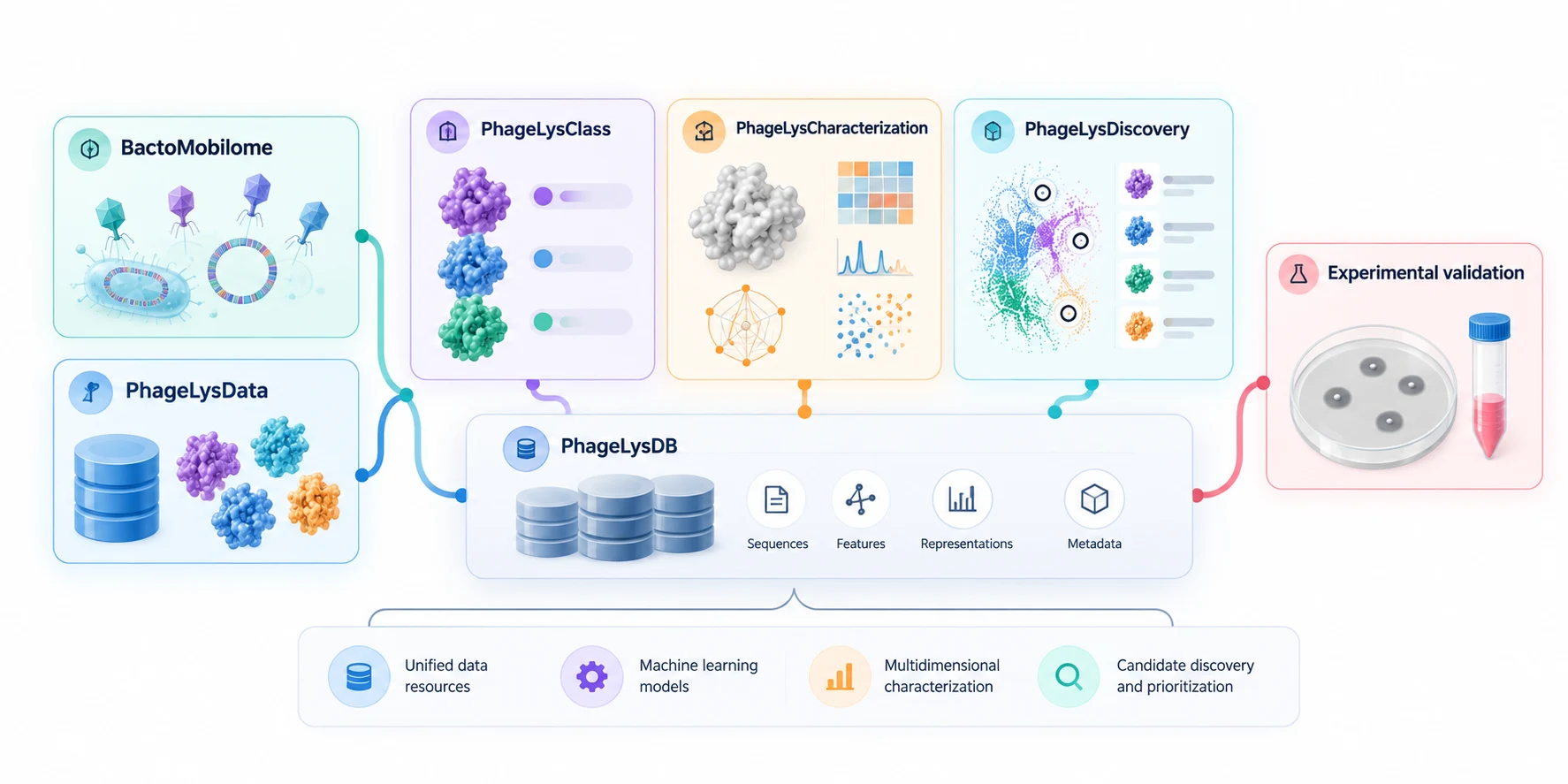
The project connects genome mining and curated data with functional classification, multidimensional characterization, candidate discovery and experimental validation.
The PhageLys ecosystem
Each component can evolve independently while remaining part of a shared discovery workflow.
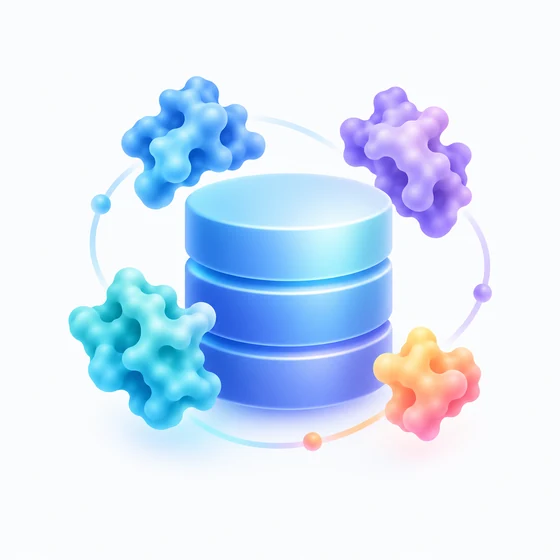
Evidence-aware resource integrating phage-derived proteins, functional annotations, structural information and biological evidence.
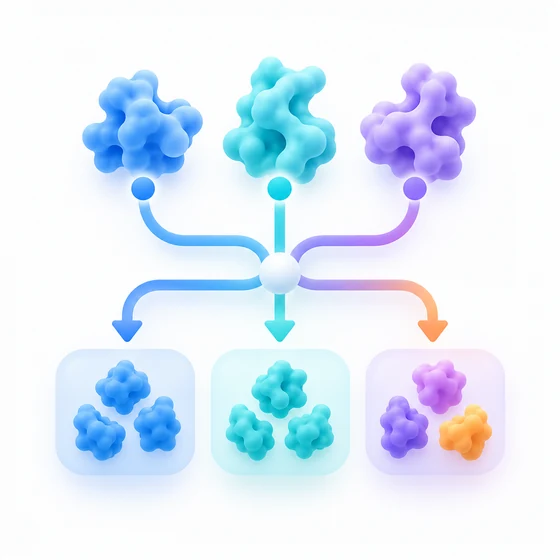
Machine-learning system for recognizing phage lytic proteins and assigning major functional classes.
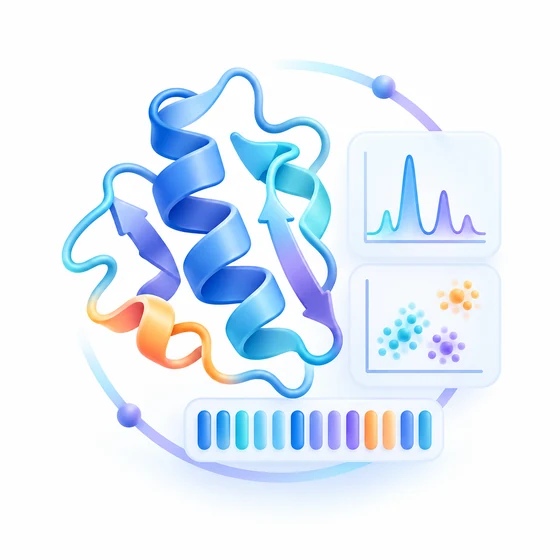
Multidimensional characterization of candidates using sequence, physicochemical, structural and representation-based information.
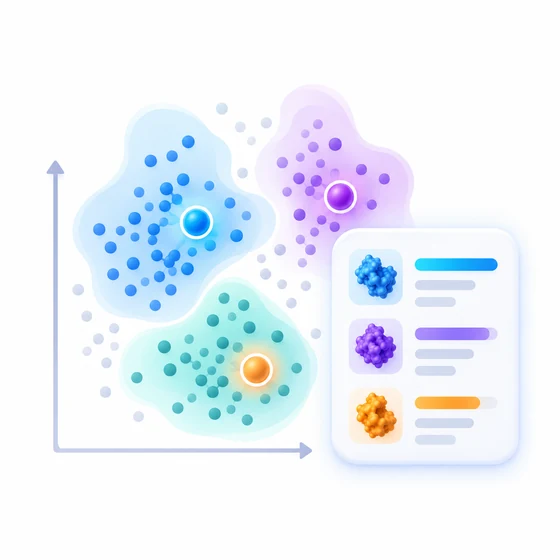
Exploration and prioritization workflows for comparing candidates with evidence-supported proteins and identifying promising regions of protein space.
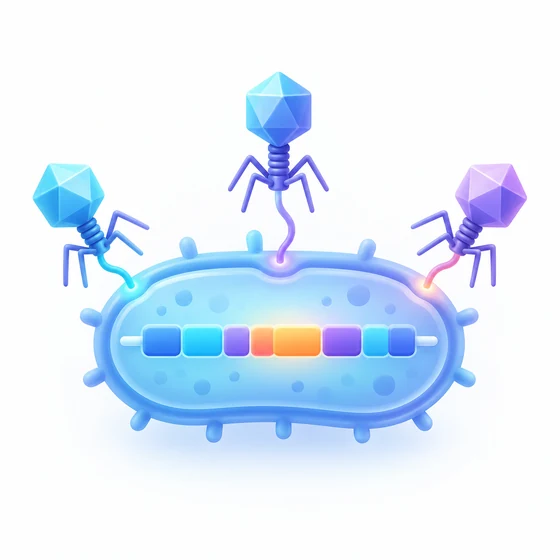
Reproducible workflows for recovering phage-associated genomic regions and proteins from bacterial genomes and comparing candidates across cohorts.
Discovery workflow
Predictions support prioritization. They do not replace experimental evidence of antibacterial activity.
Integrate phage knowledge and bacterial genomes.
Recognize lytic proteins and functional classes.
Compare sequence, properties and structure.
Reduce the search space to focused candidates.
Express, purify and experimentally evaluate.
Research & resources
Data construction workflow and project resources.
↗ bioRxiv · 2026Evidence-aware and AI-ready dataset of phage lytic enzymes and depolymerases.
↗Classification, characterization, discovery and bacterial mobilome mining components.
•••Project leadership
The project combines experimental and computational research around synthetic phage-based approaches for bacterial pathogen control.
Funded project
EXPLORING SYNTHETIC PHAGE-BASED TOOLS FOR CONTROLLING BACTERIAL PATHOGENS